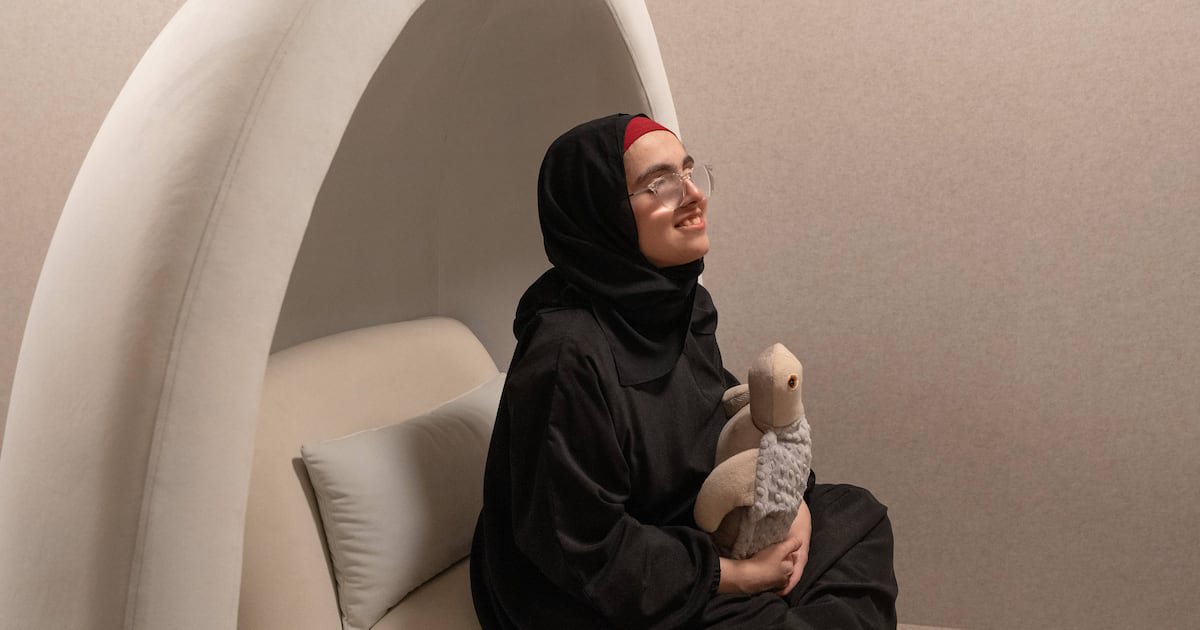
Zayed National Museum in Abu Dhabi opened a new "calm room" on November 3, timed to coincide with the museum's Accessibility Conference 2026, offering a dedicated sensory-friendly space for visitors who experience sensory overload. The room features dimmable lighting, calming sounds, sensory kits, fidget tools and a crash mat, giving autistic visitors, people with ADHD, those living with dementia, and others with sensory sensitivities a place to regulate their surroundings without having to leave the museum. Amna Al Hammadi, the museum's head of community engagement, said families had asked for "a safe, comfortable environment where autistic visitors could manage sensory challenges without having to leave," a request that shaped the final design of the space. No advance booking is required. Visitors who need access to the calm room can simply ask staff on site, and the facility was developed in consultation with members of the neurodivergent community to ensure it reflects real needs rather than general assumptions about sensory support. Zayed National Museum has also become the first museum in the Middle East to adopt the Hidden Disabilities Sunflower programme, an international scheme that lets visitors with non-visible conditions identify themselves discreetly to staff and receive additional support during their visit. The calm room joins a growing list of accessibility initiatives at the museum, including Quiet Morning sessions held outside regular opening hours and "Beyond Sight" tactile workshops designed for visitors with visual impairments. Together, these programmes signal a broader push by the museum to make its galleries and exhibitions more inclusive for visitors with a wide range of physical, sensory and cognitive needs, rather than treating accessibility as a single add-on feature.
For fast, reliable access to our news and stories, download and install the latest version of our app.
Download the app